Waste to Energy: Digital Biomass Exchange and Waste Trading Platform in India
Challenge
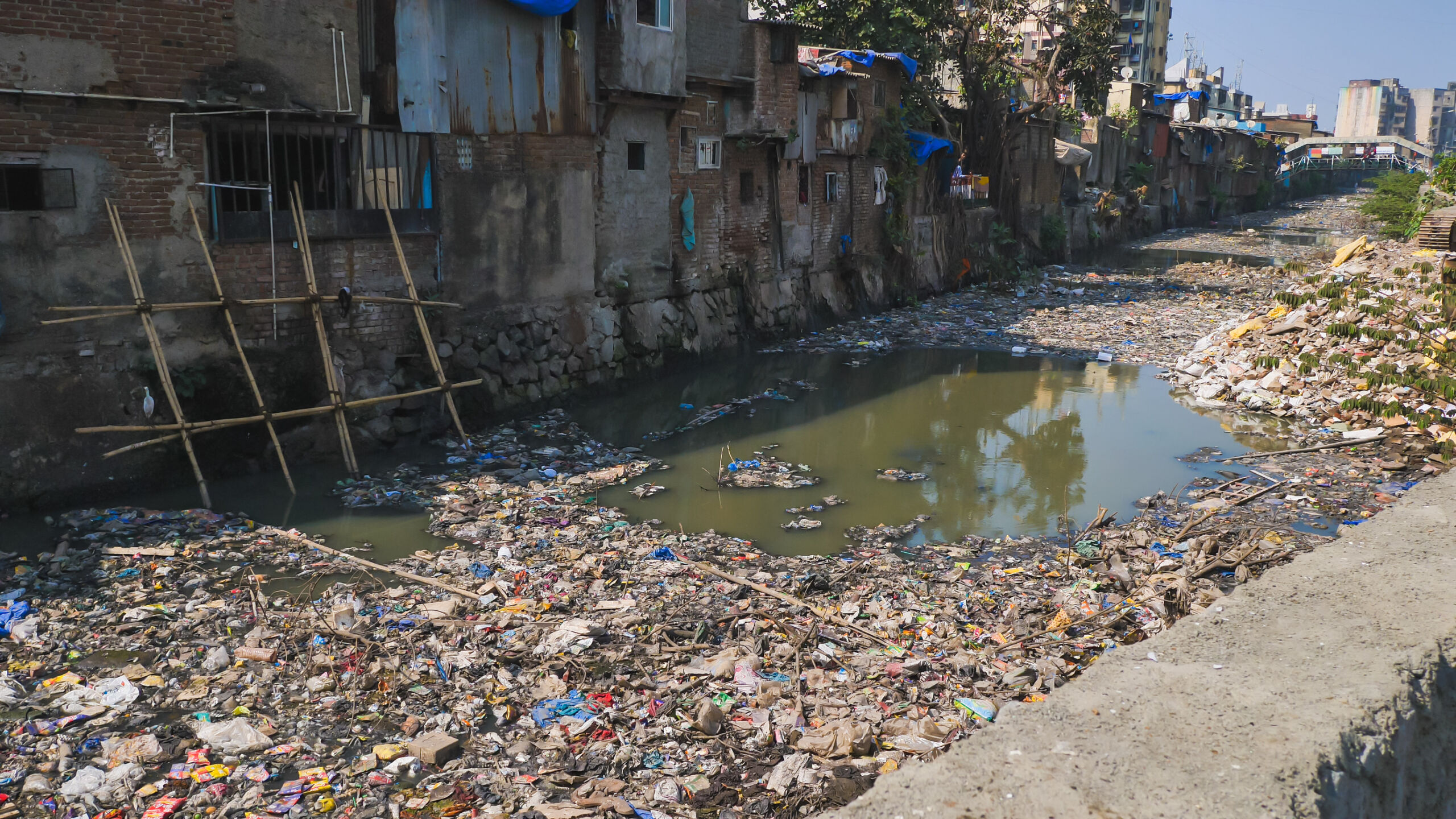
India’s Ganga River Basin faces a systemic waste management crisis, with over 68 million tonnes of waste generated daily and less than 20% formally treated. Waste collection and processing remain highly fragmented, informal, and inefficient, with limited economic incentives for proper disposal.
Critically, waste has no consistent pricing mechanism, no standardisation, and no structured marketplace, preventing the development of reliable supply chains for downstream processing industries such as biogas and refuse-derived fuel (RDF).
Without market infrastructure, waste remains an environmental liability rather than an economic asset, limiting investment, scalability, and long-term sustainability of waste-to-energy initiatives.
Solution
In collaboration with the Centre for Ganga River Basin Management and Studies (CGanga) under the National Mission for Clean Ganga, ZERO13, supported by its parent company GMEX Group, enables the development of a digital biomass exchange and waste trading platform.
Structured, Transparent Marketplace
This solution introduces a structured, transparent marketplace where waste is standardised, priced, and traded as a commodity.
Digitised Waste Value Chain
ZERO13 digitises the waste value chain, enabling real-time trading, traceability, and efficient settlement.
Financially Viable, Investable Market Ecosystem.
The platform transforms waste from a fragmented, informal activity into a financially viable, investable market ecosystem.
Through integrated exchange technology, registry systems, and blockchain-enabled infrastructure, ZERO13 can digitise the lifecycle of waste from collection and aggregation through to trading and settlement. Waste generators can deliver materials to collection points and receive immediate, market-based compensation, while processors such as biogas and refuse-derived fuel producers gain access to a reliable, consistent supply of feedstock.
This model establishes a transparent and efficient marketplace that supports price discovery, reduces barriers to entry, and enables participation from both local suppliers and institutional market participants. By formalising fragmented supply chains and embedding trust through digital infrastructure, the platform creates the conditions for scalable investment and long-term market growth.
Outcome
- Creation of a new commodity market for biomass and waste
- Improved waste collection and processing efficiency through financial incentives
- Stable supply chains for biogas and RDF industries
- Increased income generation for local waste collectors and communities
- Enhanced investor participation through transparent pricing and market access
This establishes the foundation for a scalable “waste-to-wealth” economy, aligning environmental remediation with economic value creation.
How It Works
1. Waste Aggregation & Standardisation
Waste is collected, sorted, and standardised through coordinated collection centres and enabling partners such as GS Bioenergy.
2. Digital Registration & Traceability
Waste inputs are recorded via a digital registry, creating transparency around quantity, quality, and origin.
3. Marketplace Trading
Through the exchange, waste is traded via spot markets, auctions, and continuous trading mechanisms, enabling price discovery and liquidity.
4. Real-Time Compensation
Waste generators are paid immediately based on market pricing, creating direct economic incentives for participation.
5. Downstream Processing Integration
Processors such as biogas and RDF producers access consistent feedstock supply, enabling scalable industrial operations.
6. Settlement & Market Infrastructure
ZERO13 facilitates secure, transparent settlement, integrating trading, custody, and data systems within a unified ecosystem.

ZERO13’s 7Cs

Climate:
Reduces river pollution and environmental degradation by incentivising responsible waste collection and processing.
Carbon:
Enables downstream generation of carbon-reducing outputs such as biogas and waste-to-energy solutions.
Commodities:
Transforms waste into a standardised, tradeable commodity with transparent pricing and market dynamics.
Capital:
Unlocks investment into waste management and processing infrastructure through structured, investable markets.
Communities:
Creates new income streams and formalises participation for local waste collectors and workers.
Countries:
Supports national sustainability objectives and large-scale environmental programmes such as the Ganga clean-up initiative.
Connectivity:
Integrates fragmented stakeholders — collectors, processors, traders, and investors — into a unified, digital marketplace.
Contact us
